Donate
2 min read

National Family Partnership Announces 2026 Red Ribbon Week Theme: “Make a Difference. Be a Hero. Stay Drug Free. ™

By NFP on Feb 9, 2026 8:48:59 AM

FOR IMMEDIATE RELEASE

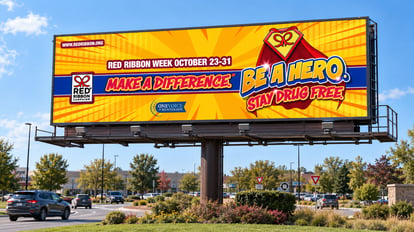
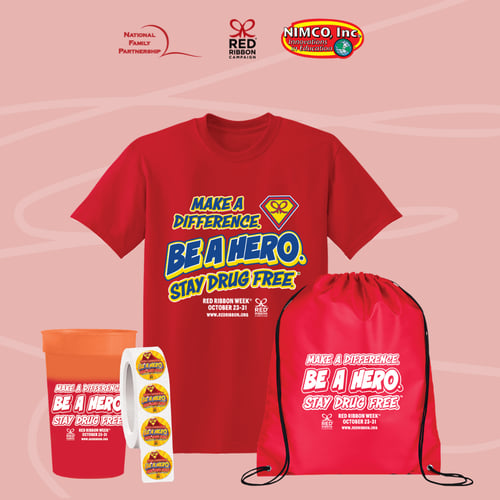
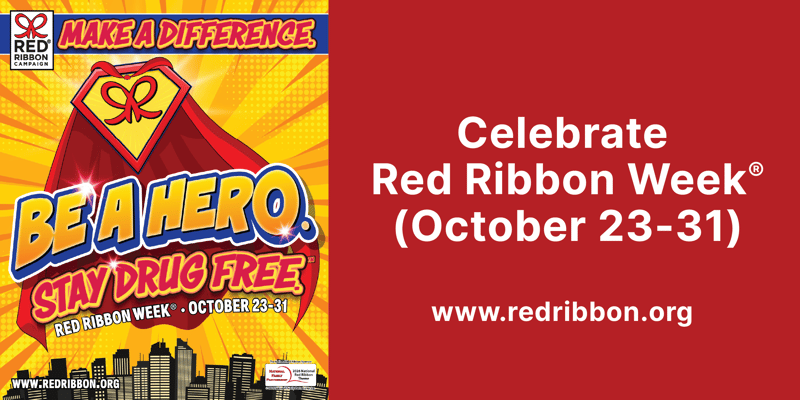
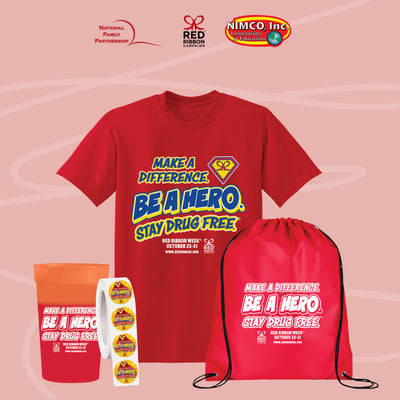
Red Ribbon Week Theme 2026 (300 dpi)

Miami, FL — The National Family Partnership (NFP) has announced the official 2026 Red Ribbon Week theme: “Make a Difference. Be a Hero. Stay Drug Free.™” The theme was selected through NFP’s annual Red Ribbon Week Theme Contest and highlights the idea that choosing to live drug-free is an everyday act of leadership, courage, and positive influence.

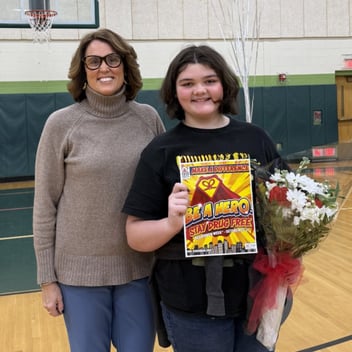
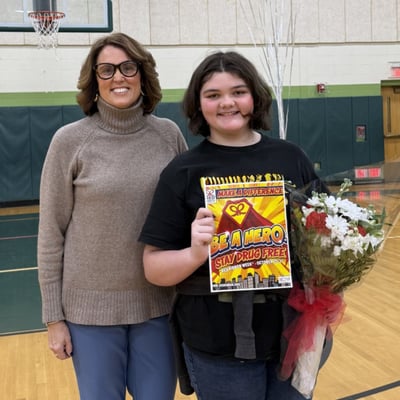
The winning slogan was submitted by Ava Tackett, whose message stood out for its clarity, empowerment, and strong focus on personal responsibility and peer influence. “Drug free means not taking drugs and making an impact on others,” Ava shared.

kristen and ava

“You can be a hero to other people by not using drugs and inspire them to choose a healthy lifestyle. Heroes inspire others…like Batman to Robin!” - Ava Tackett

Ava’s teacher, Kristen Butremavic , also highlighted the theme’s impact on students, noting that it helps them see that role models aren’t only adults or athletes—they’re classmates making healthy choices and leading with confidence and kindness.

Peggy B. Sapp, President of the National Family Partnership, emphasized the value of youth voices in prevention: “The Red Ribbon Week Theme Contest isa meaningful way to engage communities nationwide. Each year, students remind us that living drug-free is a message worth sharing — and living— for life.

As a prevention partner supporting Red Ribbon Week messaging and community activation, The National Family Partnership encourages schools,families, and community organizations to use this year’s theme to spotlight the everyday heroes who make healthy choices and influence others through confidence, kindness, and example.

Theme submissions for the Red Ribbon Week Theme Contest are accepted annually from January 1 through December 4. Winners receive $500 in Red Ribbon Week-themed merchandise, generously provided by Nimco, Inc., the official supplier of Red Ribbon materials.

Red Ribbon Week will be observed October 23–31.
For more information, visit www.RedRibbon.org.

3 min read

Love Is Teaching Accountability and Social Norms

By Peggy B. Sapp, President & CEO on Feb 5, 2026 10:30:00 AM

A February message from the President of National Family Partnership

Love is teaching accountability + social norms banner (1)

February naturally brings conversations about love. But in my experience, love isn’t only affection or celebration. 

Love is guidance. 

Love is leadership. 

And love is teaching accountability and social norms—especially when children are young.

It’s important to set boundaries for children and not treat them like a teammate or an equal in adult decision-making. Clear boundaries create a feeling of safety and security for young children, and they introduce a calmer environment for the whole family.

Why boundaries feel like love to a child

A story that has stayed with me for years involves a preschool playground. The adults noticed children repeatedly running up to a fence near the play equipment and “bouncing” off it. Some parents decided the fence must be the problem, so after a lot of debate, they removed it.

The result surprised everyone. The children were devastated—and some cried. They wanted that fence. They wanted the boundary. To them, it wasn’t a restriction; it was safety. It was the “bounce back” that helped them understand the limits of the space and feel secure inside it.

That’s what boundaries do when they’re healthy and consistent: they protect children and help them settle.

Kids need age-appropriate expectations

A 5-year-old doesn’t have the capacity to think like a 30-year-old. Raising children is about socializing them to be safe, secure, and age-appropriate. Our job as parents and caregivers is to help children learn how to function in an adult world, with guidance that matches their stage of development.

This is where social norms matter. Social norms are the everyday behaviors that help children succeed in school, in public spaces, and in relationships—things like listening, waiting their turn, following directions, and respecting boundaries.

These skills don’t “just happen.” They’re taught.

Public spaces reveal who’s leading

Have you ever noticed how different children’s behavior can look in different environments? In many American public settings, you’ll sometimes see children “running” the adults, creating unsafe surroundings for everyone—not just themselves. That’s not always the case. I’ve also seen outstanding parenting in busy airports where adults are clearly in charge and children are engaged, helpful, and safe.

The difference is leadership and awareness.

Adults must be aware of danger in their surroundings. A luggage cart is not a toy. Crowded venues are not the place to test limits. When adults maintain order and calm discipline, children learn to do the same.

Accountability now builds safer teens later

Accountability and responsibility are basic life skills. They are also protective factors for prevention. Children who learn boundaries early are more prepared to handle peer pressure, risky situations, and unhealthy influences as they grow.

That’s why this message matters for February—not only for “love,” but for healthy choices.

National Family Partnership exist to strengthen families and protect youth. We talk often about prevention, substance use, and supporting young people—but many of the most powerful prevention tools are the everyday ones: structure, consistency, and clear expectations.

And yes—this connects to our Lock Your Meds campaign, too. Loving boundaries include practical safety steps. Securing medications and keeping them out of reach isn’t about suspicion; it’s about responsibility. It’s one more way adults stay accountable for the environment our children are growing up in.

What “loving boundaries” can look like this week

If you want a simple place to start, try this:

  • Set the expectation clearly (before you enter a store, venue, or event)

  • Explain the “why” in one sentence (safety, respect, responsibility)

  • Follow through consistently (calmly, without a long debate)

  • Model the behavior you want (kids learn what they live)

You don’t have to be perfect. You just have to be the adult.

Closing thoughts

Love is teaching accountability. Love is teaching social norms. Love is creating a safe, calm structure that helps children feel secure—and helps them grow into responsible teens and adults.

If you’d like support, resources, or guidance for your family, I invite you to connect with us at NFP.org. And if you haven’t already, please take a moment to learn more about our Lock Your Meds Campaign—because safe homes and healthy choices start with the adults.

3 min read

Why Locking Your Meds Matters

By NFP on Feb 2, 2026 2:57:55 PM

At the National Family Partnership, we believe that every parent, grandparent, educator, and community leader has the power to make a difference in a child’s life. And sometimes, that difference begins in the most unexpected place—your own medicine cabinet.

Blog Banner for Website Content-1

Through our Lock Your Meds® campaign, we’re empowering families to take practical, preventative action against one of today’s most underrecognized threats: youth access to prescription medications.

The Hidden Risk at Home

You might be surprised to learn that the majority of teens who misuse prescription drugs don’t get them from drug dealers—they get them from family and friends. Too often, medications are left unsecured, creating unintended opportunities for misuse.

As caregivers, we don’t always realize we’re potential “suppliers.” But we are. And the good news is—we can change that with a few mindful, proactive steps.

Lock Your Meds®: Prevention Starts at Home

Lock Your Meds® isn’t just a slogan—it’s a national prevention movement we launched to help adults reduce youth prescription drug misuse, beginning in the home. The campaign is designed to make taking action both easy and effective.

Here’s what you can do starting today:

🔐 Lock Medications Securely

Keep all prescription and over-the-counter meds in a safe, locked location. A lockbox, drawer, or cabinet that only adults can access helps prevent temptation or experimentation.

Purchase lockboxes here!

📋 Keep Track of Meds

Use our medication inventory card to stay aware of what you have, how much, and when it’s used. This keeps you informed—and discourages unauthorized access.

Download the card

🗑 Dispose of Unused Meds

Don’t keep old medications “just in case.” Use local drop-off programs or recommended disposal methods to clear out what you no longer need.

Search for a location near you

💬 Talk Openly With Kids

Honest, age-appropriate conversations build trust. Talk about the dangers of prescription misuse and how to make safe choices.

National Movement, Local Impact

Lock Your Meds® is making a difference across the country thanks to our passionate network of families, educators, prevention coalitions, and community organizations. Together, we’ve seen what’s possible when awareness becomes action.

From schools and sports teams to local pharmacies and faith groups, partners are helping us reach more households with our message: Lock your meds. Protect your family. Strengthen your community.

Free Resources to Help You Get Involved

Whether you’re a parent, teacher, coach, or community leader, you have access to tools that can make a lasting impact.

  • Downloadable guides and conversation starters
  • Inventory tracking tools
  • Pledge to take action and spread the word
  • Community event materials and ideas

Explore all our resources at lockyourmeds.org and join thousands of families across the nation taking the first step toward prevention.

Protect What Matters Most

It’s easy to overlook the medications in our homes. But now more than ever, it’s crucial to lock them up, track them, and talk about them. These actions might feel small—but they have the power to prevent misuse, protect futures, and build safer, healthier communities.

We’re here to support you.
Together, we can keep our youth safe and our families strong.

2 min read

From Weed to Nicotine: What New Research Reveals About Teen Risk

By NFP on Jan 26, 2026 8:13:02 AM

Why informed conversations matter now more than ever

At the National Family Partnership, we’ve spent decades focused on one truth: when families are informed and engaged, young people are safer.

Today, emerging research is sending a clear message. Youth who use marijuana are far more likely to go on to use tobacco and nicotine products, increasing their risk for long‑term health consequences.

What the Latest Research Shows

Long‑term studies tracking adolescents and young adults reveal a strong progression from marijuana use to regular tobacco use. As marijuana becomes more accessible and socially accepted, the likelihood of youth experimenting — and then escalating — increases.

Researchers warn that this pattern may lead to hundreds of thousands of additional young people becoming long‑term tobacco users, driven in part by early cannabis exposure.

Read more about the findings

Why This Connection Is Concerning

Nicotine addiction is one of the hardest habits to break, especially when it begins during adolescence. Tobacco use impacts:

  • Brain development
  • Mental health
  • Long‑term physical well‑being

When marijuana and tobacco use overlap — particularly through vaping — the risks increase, and quitting becomes harder.

The Power of Informed Conversations

Parents and caregivers play a critical role in prevention. Research consistently shows that youth are less likely to engage in risky behaviors when adults talk openly and honestly with them.

Here’s how to start:

  • Ask what they’re seeing or hearing at school or online
  • Share facts without judgment
  • Set clear expectations while keeping communication open
  • Reinforce that asking questions is always okay

Resources to Support Families

At the National Family Partnership, we know that the more parents understand emerging risks, the more confidently they can guide their children. Prevention isn’t about reacting after harm happens — it’s about staying informed, connected, and proactive.

When families talk, youth listen.
And when families act, communities grow stronger.


1 min read

In Memoriam: Thomas V. Cash - A Lifetime of Service to Drug Prevention

By NFP on Jan 21, 2026 11:29:36 AM

We honor Tom’s leadership, clarity, and unwavering commitment to protecting families and strengthening communities

Honoring Thomas V Cash Horizontal

It is with deep sadness that we share the passing of Thomas “Tom” V. Cash, who died unexpectedly on Christmas Day.

Tom dedicated his life to public service and the safety of others. He served our nation for decades in law enforcement and drug control efforts, including distinguished leadership roles with the U.S. Drug Enforcement Administration and other federal agencies. Those who worked with Tom remember him as a steady leader with a sharp mind, a direct and honest approach, and a deep respect for mission-driven work.

Beyond his professional career, Tom gave generously of his time and guidance to prevention. He served on the National Family Partnership Board of Directors and previously served as Chairman of Informed Families. His counsel, clarity, and commitment helped strengthen the work we do every day on behalf of families, youth, and communities.

Tom is survived by his beloved wife, Hillary Avenali Cash, his children, grandchildren, and extended family. We extend our heartfelt condolences to all who loved him.

A Celebration of Life will be held at Capital Grille (2430 E Sunrise Blvd, Ft. Lauderdale, FL 33304).

Tom’s legacy will continue through the prevention work he championed, and through the many people he mentored, supported, and inspired along the way.

In honor of Tom’s lifelong commitment to protecting children and families, we invite those who wish to do so to consider making a contribution to support prevention education through National Family Partnership. 

DONATE


4 min read

Do Local Cannabis Laws Affect Teen Use?

By NFP on Jan 20, 2026 1:47:46 PM

Across the country, laws around cannabis are changing quickly—but not all communities are experiencing those changes the same way. At the National Family Partnership, we’re closely watching how local cannabis policies—like dispensary zoning and delivery permissions—are affecting teenagers.

Emerging research reveals a clear trend: teens are far more likely to use cannabis when they live in areas that allow retail sales or cannabis delivery services. That includes more frequent and heavier use, not just experimentation.

That’s why we’re speaking directly to families, caregivers, and communities: the choices we make at the local level can have a direct impact on our kids.


Why Local Policies Matter for Teen Behavior

Even in states where cannabis is legal, local governments decide whether dispensaries can open, where they’re located, whether delivery is allowed, and how cannabis is advertised. And those choices shape what teens see—and how they think.

When cannabis is sold just down the street or delivered within minutes, teens begin to perceive it as normal or harmless. This is called reduced perceived risk—a key factor in youth substance use.

In fact, teens in areas with more visible cannabis access are:

  • More likely to believe “everyone is doing it.”
  • Less likely to understand the risks of high-potency THC products.
  • More likely to try it themselves—especially through edibles or vaping.

Read our President's most recent message: THE BIG LIE: Marijuana isn't as safe as many believe


The Real Risks of Today’s Cannabis for Teens

Cannabis today is very different from the marijuana of decades past. THC concentrations have skyrocketed, especially in vape cartridges and edible products, making the effects more intense and the potential for dependency greater.

Research shows that cannabis can:

  • Affect memory and learning, especially in still-developing brains.
  • Increase anxiety or depression symptoms in some adolescents.
  • Lead to addiction, particularly with early or frequent use.
  • Impair driving and reaction times, even hours after use.

As cannabis becomes more accessible in a community, so does early and frequent teen exposure to these risks.


How Your Family and Community Can Make a Difference

While legalization decisions often happen at the state level, local communities hold the power to protect youth. Here’s how we recommend taking action:

1. Start the Conversation at Home

Talking to your teen about cannabis can feel intimidating—but it’s one of the most powerful tools you have.

Use honest, open-ended questions. Ask what they’re seeing at school or on social media. Explain how cannabis impacts the teen brain. Most importantly, listen more than you talk.

➡️ What to Do If Your Child Smokes Marijuana

2. Stay Engaged in Local Policy Decisions

Zoning laws, retail permit approvals, and marketing regulations are often decided in city council or county board meetings. Your voice matters. Ask questions like:

  • Are dispensaries allowed near schools or parks?
  • Is cannabis delivery permitted in your area?
  • Are there restrictions on advertising near youth spaces?

3. Advocate for Protective Policies

Support local efforts that:

  • Limit the number and location of dispensaries.
  • Restrict advertising in public spaces or near schools.
  • Ban cannabis delivery to residential addresses without strong age verification.

4. Get Involved in Prevention Programs

Join a coalition or connect with your child’s school counselor to support prevention education. We offer campaigns like:

➡️ Safe Homes Smart Parties
➡️ Family Day: A Day to Eat Dinner with Your Children

Explore more in our Parent & Community Resource Hub.


Prevention Works Best When It’s Local and Personal

What makes local policy so powerful is its ability to reflect the values, goals, and needs of a specific community. When families, schools, and leaders work together to promote youth well-being, we build stronger neighborhoods—and protect our kids from the subtle pressures of normalization.

Let’s shape a future where smart policy and strong parenting go hand in hand.


Helpful Tools and Resources

Guide: What to Say to Teens About Marijuana
Parent & Community Resources – Informed Families

We know parenting comes with challenges—especially in today’s fast-changing world. But you don’t have to navigate it alone. At NFP, we’re here to support you, inform you, and stand beside you as you raise kids to make healthy, informed choices.

Together, we can create communities where teens thrive, choices are clear, and risks are reduced.

Thank you for everything you do.


2 min read

THE BIG LIE: A Message From Our President

By Peggy B. Sapp, President & CEO on Jan 5, 2026 10:00:00 AM

For far too long, a powerful misconception has shaped conversations across America: the belief that marijuana is safe. Many people genuinely want to believe this—because life is stressful, connection is important, and fitting in feels good. But wanting something to be true does not make it true.

As I reviewed recent data highlighted in a Wall Street Journal article, I was struck by how urgently we need to challenge this narrative. What has been sold to the public as harmless is proving to be anything but.

How the “Safe” Narrative Took Hold

This belief didn’t emerge on its own. It was shaped by several powerful forces:

1. Individual Desire

We all seek relief—relief from pressure, from worry, from the demands of daily life. When people hear that marijuana offers calm or community, it’s easy for them to accept the message without question.

2. A Highly Profitable Marijuana Industry

What began as a conversation about regulation and oversight has evolved into a commercial industry built on advertising, product expansion, and profit.
The industry has crafted a convincing smoke screen: marijuana is good for you, it’s natural, it’s safe.

But follow the money, and you’ll see clearly—this messaging grows profits, not public health.

3. Legislators Influenced by Trends and Revenue

Across the country, lawmakers read the same reports and newsletters promoting marijuana as a booming economic opportunity. When something is popular and profitable, it becomes tempting to simply say “yes.”

However, popularity and profit do not equal safety.

The Data Is Now Impossible to Ignore

The statistics in this article reveal why several states are beginning to rethink—or even reverse—their legalization policies. Rising emergency-room visits, increased mental-health complications, and the dangers of high-potency products are painting a far more serious picture than the public was led to believe.

This may very well be the clarion call we have been waiting for.

It's time to ask:

Is legal and recreational marijuana truly a wise choice for anyone who wants to be healthy?

Where Do We Go From Here?

As this new information comes to light, we have a responsibility to pause, reflect, and look closely at the real impact marijuana is having on individuals, families, and communities. The conversation can’t be driven by profit or popularity—it must be grounded in truth.

My hope is that these emerging statistics will encourage more people to reconsider what they’ve been told and to look beyond the marketing messages that have shaped so much of the public’s perception.

At National Family Partnership, our commitment remains the same: to empower parents, support healthy kids, and champion prevention rooted in science, not slogans.

In the months ahead, we will continue sharing research, elevating data, and bringing clarity to an issue clouded by misinformation. The more we shine a light on the facts, the better equipped families will be to make informed, healthy decisions.

This moment calls for honesty, courage, and a willingness to rethink long-held assumptions. Together, we can shift the narrative, protect our youth, and build stronger, healthier communities.

Peggy B. Sapp
President & CEO

1 min read

President’s Message: What Today’s Youth Are Turning Toward — and Why It Matters

By Peggy B. Sapp, President & CEO on Dec 10, 2025 3:17:26 PM

As we close out the year, I’ve been reflecting on a fascinating trend recently highlighted in The Washington Post: a quiet but growing spiritual reawakening among some young adults. While national data shows that many in Gen Z continue to step away from organized religion, faith leaders across the country are seeing something unexpected — a small but deeply committed group of students leaning into faith with renewed purpose and conviction.

At the University of Maryland Catholic Student Center, attendance has nearly doubled in the past five years. Students are not simply showing up out of obligation; they’re seeking belonging, structure, community, and a sense of moral grounding in a world that often feels chaotic. Many describe faith as a stabilizing force — something that provides clarity when everything else is noisy.

This movement isn’t limited to one faith tradition. Leaders from multiple backgrounds report similar patterns: young people searching for meaning, connection, and values-based guidance that digital culture cannot provide.

The larger surveys still paint a different picture — the long decline in religious affiliation has plateaued, but there is no evidence of a nationwide resurgence. Yet these small pockets of renewed engagement matter. They remind us that today’s youth are not indifferent; they’re discerning. They’re looking for truth, community, and direction — and when they find something that resonates, they commit with remarkable sincerity.

For those of us in prevention, education, and family support, this trend offers hope. It signals that young people are actively searching for grounding influences. It challenges us to continue creating environments where children and families find connection, resilience, and clarity of purpose.

As we move into a new year, may we continue to listen, adapt, and meet families where they are — helping them build strong, values-driven foundations in an ever-changing world.

Wishing you a meaningful December and a hopeful start to 2026.

3 min read

Inspiring Change: Highlighting the 2025 Red Ribbon Photo Contest Winners

By NFP on Dec 5, 2025 9:00:00 AM

FOR IMMEDIATE RELEASE
December 5, 2025

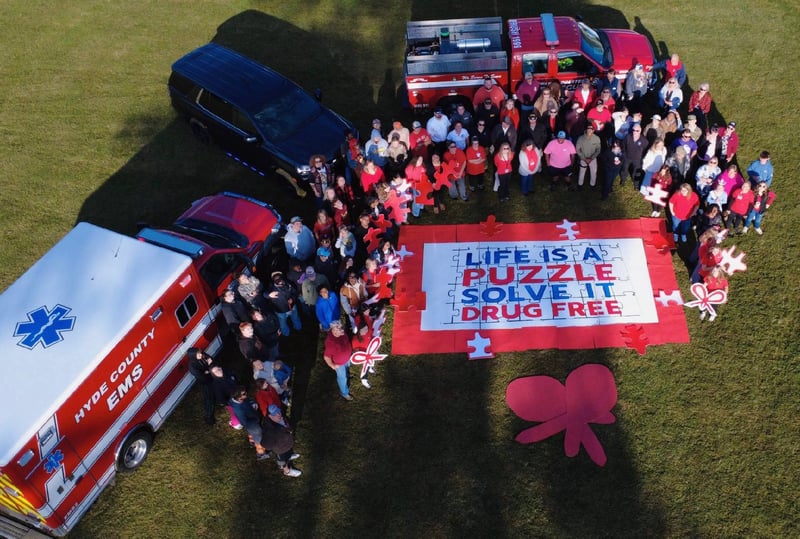
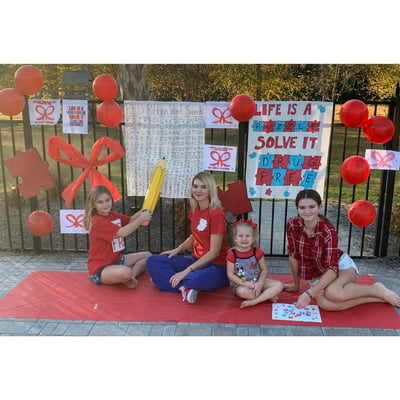
MIAMI, FL — National Family Partnership (NFP) proudly announces the winners of the 2025 National Red Ribbon Photo Contest, a nationwide initiative that brings families, schools, and communities together to promote drug-use prevention and celebrate living drug-free. This year, thousands of participants showcased their creativity and commitment through powerful photo displays inspired by the 2025 campaign theme: Life Is A Puzzle, Solve It Drug Free.

The contest invited individuals and schools across the country to decorate homes, classrooms, and community spaces with bold red ribbons and messages of prevention. Entries were evaluated on creativity, theme communication, and community engagement.

Each year, the contest highlights the remarkable creativity and dedication shown by students, families, and educators across the country. The 2025 winners reflect the powerful impact communities can make when they come together to support drug-free youth.

All winners will be featured at  www.redribbon.org/2025winners, and each receives a $1,000 donation for their school, thanks to the generous support of our co-sponsor, the Drug Enforcement Administration (DEA).

2025 National Red Ribbon Photo Contest Winners

Regional Home Winners

  • Region 1: Jodie Deane – Cambridge Springs, PA - Cambridge Springs Jr./Sr. High School
  • Region 2: Jonna Williams – Swanquarter, NC - Mattamuskeet High School
  • Region 3: Carly Collings – Williston, ND - Williston High School
  • Region 5: Brody & Madi Kay Reinhart – Nine Mile Falls, WA - Lakeside High School

Regional School Winners

  • Region 1: Kelly Sartre - Braintree, MA - Braintree High School
  • Region 2: Jennifer Moser, Jackie Ortiz, Richard Ortiz - Glades Middle School – Miramar, FL – Glades Middle School
  • Region 3: Becky Hoffman – Lee’s Summit, MO – Pleasant Lea Middle School
  • Region 4: A. X. Erica Guevara – Benavides Elementary School – Brownsville, TX
  • Region 5: Crystal Suarez – Edison Middle School – Bakersfield, CA

Judges Awards – Home (Family Category)

  • Most Creative: Shawn Burroughs – Williams Township School – Whiteville, NC
  • Most Ambitious: Dana Thomson – Fairfield Elementary – Massapequa, NY
  • Best Use of Family & Community: Rodderick Brown – iQ Academy California–Los Angeles (iQLA) – Lancaster, CA
  • Best Use of Theme: Todd Holloway – Unity Elementary School – Newnan, GA

Judges Awards – (School Category)

  • Most Creative: Jennifer Robinson – Mount Valley Middle School– Canyon Lake, TX
  • Most Ambitious: Stephanie DePiano – Lounsberry Hollow School – Vernon, NJ
  • Best Use of School & Community: Karina Alanis – North Shore Elementary School – Houston, TX
  • Best Use of Theme: Jessie Whitney – Cypress Springs Elementary –
  • Most Educational: Mindy Isles – Slippery Rock Area Middle School – Slippery Rock, PA

About the National Red Ribbon Campaign

Red Ribbon Week, celebrated annually from October 23rd–31st, is the nation’s oldest and largest drug-use prevention campaign. Started in 1985 in honor of fallen DEA Agent Enrique “Kiki” Camarena, the campaign continues to unite families, schools, and communities in promoting healthy, drug-free lifestyles.

About National Family Partnership

For over 40 years, National Family Partnership (NFP) has led the nation in drug-use prevention education and advocacy. Through community partnerships and national initiatives like the Red Ribbon Campaign®, NFP supports families and communities in building a safer, healthier future for children.

Learn more at www.redribbon.org.


Media Contact:

National Family Partnership
Email: info@redribbon.org
Website: www.redribbon.org

2 min read

President's Message: Why Is Prevention a Hard Sell?

By Peggy B. Sapp, President & CEO on Nov 5, 2025 10:57:16 AM

As I sat on a call recently, someone asked a thought-provoking question: “Why is prevention such a hard sell?” It’s something I’ve reflected on often over the years.

Turn on the news and you’ll notice—bad stories dominate the headlines. We seem drawn to the drama, the fear, the chaos. Maybe it gives us a strange sense of adrenaline or relief—“thank goodness that’s not me.” But what about the quiet stories of success, of prevention, of families making healthy choices every day? Those don’t often make the front page, even though they shape stronger, safer communities.

Let’s look at another field that’s made prevention work: dentistry. For decades, dentists have effectively promoted daily actions—brush after meals, floss regularly, visit every six months. And what happens? We comply! Why? Because we want to avoid that dental chair. There’s a clear connection between preventive habits and positive outcomes.

So why, when it comes to raising healthy, drug-free kids, do we hesitate? When Informed Families shares simple, positive steps—like having dinner together, setting boundaries, or communicating with your children—so many parents say, “We don’t have time.” But the truth is, we do. It’s not about time—it’s about priorities, and perhaps even about accountability. If not you, then who?

Another key piece of prevention is connection. Building strong social networks—families, neighbors, and communities—protects us and our children. Are you intentionally building those networks? Are you nurturing the relationships that help your family grow stronger?

As we celebrate Thanksgiving this month, I can’t help but think back to the Pilgrims. They paused to express gratitude—not because they had extra time, but because they understood the power of coming together to give thanks for their blessings and their hard work. Gratitude isn’t just a holiday gesture—it’s a mindset that shapes our health and happiness.

Someone asked me recently what has changed most since Informed Families began in 1982. My answer: personal accountability. We live in a time where we believe someone else can fix things for us—if we just pay the right expert or find the right shortcut. But life doesn’t work that way. Life is a do-it-yourself project. Each of us is responsible for building the kind of life and family we want.

So, as you gather around your Thanksgiving table this year, take a moment to ask each person what they’re most thankful for. You might be surprised how gratitude changes the tone of the entire day. It’s one of the most powerful motivators we have—and one of the simplest forms of prevention.

Featured