Every hero has the power to make a difference—and that power often begins with a single choice.
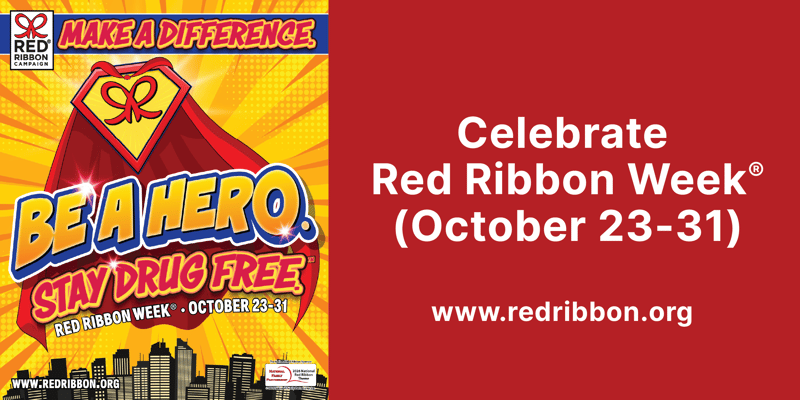
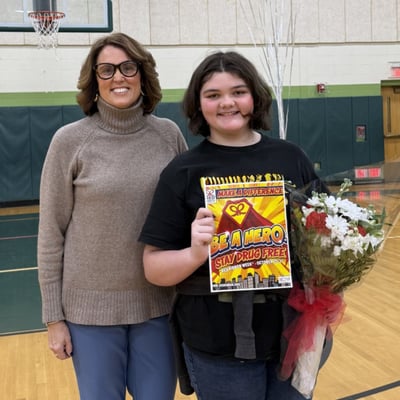
The official 2026 Red Ribbon Week® theme, “Make A Difference. Be A Hero. Stay Drug Free.™,” encourages young people to recognize that choosing a healthy, drug-free lifestyle is an act of courage, leadership, and positive influence. Created by Ava Tackett, a student at Griswold Middle School in Connecticut, the theme reminds students that heroes are not limited to fictional characters, celebrities, or athletes. They can be classmates, friends, family members, teachers, and community leaders who make responsible choices and encourage others to do the same.
Observed annually from October 23 through October 31, Red Ribbon Week is an opportunity for schools, families, and communities to unite around prevention. However, bringing the 2026 theme to life requires more than displaying posters or planning a few spirit days. The strongest campaigns help students understand how their everyday decisions can protect their health, support their peers, and positively shape the communities around them.
What Does It Mean to Be a Hero?
When young people hear the word “hero,” they may picture someone wearing a cape, saving the day, or accomplishing something extraordinary.
The 2026 Red Ribbon Week theme gives adults an opportunity to expand that definition.
A hero can be someone who:
- Makes a healthy choice, even when others do not.
- Refuses to participate in unsafe or harmful behavior.
- Supports a friend who is struggling.
- Speaks up when something does not feel right.
- Includes someone who feels left out.
- Asks a trusted adult for help.
- Encourages others to make positive decisions.
- Shows kindness, confidence, and responsibility.
These actions may not always receive attention, but they can make a meaningful difference. By helping students recognize everyday acts of leadership, the theme becomes more personal and attainable.
Students do not have to wait until they are older to become positive influences. They can begin with the choices they make today.
Start the Conversation Before Red Ribbon Week
Red Ribbon Week should not begin when the decorations go up on October 23. Schools and community organizations can begin introducing the theme weeks in advance.
Teachers may ask students questions such as:
- What qualities make someone a hero?
- Who is a hero in your life, and why?
- How can one positive choice influence other people?
- What does courage look like at school?
- How can students help friends make healthy decisions?
- Who can you talk to when you need help?
These conversations can take place during morning announcements, advisory periods, health classes, assemblies, counseling lessons, or classroom discussions.
Starting early gives students time to reflect on the message instead of simply seeing it as another school slogan. It also creates opportunities for them to help shape the campaign.
Give Students Opportunities to Lead
One of the most effective ways to engage students is to give them an active role in Red Ribbon Week.
Instead of adults planning every detail, schools can invite students to develop activities, create messages, lead announcements, or recognize positive role models.
Student-led ideas may include:
Create an Everyday Heroes Campaign
Ask students to nominate classmates, teachers, staff members, family members, or community leaders who demonstrate courage, kindness, healthy decision-making, or positive leadership.
Selected heroes can be recognized through:
- Morning announcements
- Bulletin board displays
- School newsletters
- Social media posts
- Classroom certificates
- Video interviews
- A schoolwide “Hero Wall”
Recognition should focus on actions rather than popularity. A student who helped a friend, welcomed a new classmate, asked for support, or stood up against peer pressure may be demonstrating exactly the kind of leadership the campaign celebrates.
Invite Students to Share Their Voices
Students can create short messages explaining what being a hero means to them.
These messages may be shared through:
- Posters
- Essays
- Poetry
- Artwork
- Videos
- Classroom presentations
- Social media graphics
- School announcements
A simple prompt such as “I can make a difference by…” allows students of all ages to connect the national theme to their own lives.
Form a Student Planning Committee
A Red Ribbon Week student committee can help select spirit days, create decorations, develop announcements, plan service activities, and encourage participation.
When students help lead the campaign, they are more likely to feel personally invested in its message.
Make Spirit Days More Meaningful
Spirit days can create excitement and visibility, but each activity should connect clearly to prevention and healthy decision-making.
Rather than choosing themes only because they are fun, schools can explain how each day supports the campaign’s larger message.
Ideas include:
Heroes Make Healthy Choices
Invite students to dress as a personal hero, community helper, historical figure, or positive role model.
During the day, ask students to share one quality they admire about the person they selected.
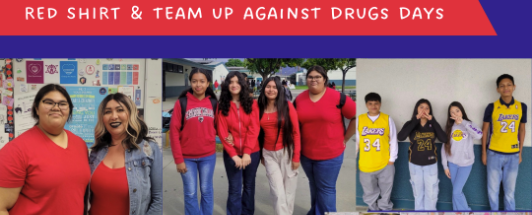
Team Up Against Drugs
Students can wear clothing representing their favorite sports team, school organization, club, or activity.
Use the day to discuss how strong teams support one another and help members make responsible decisions.
Your Future Is Bright
Encourage students to wear bright colors or sunglasses while discussing goals, dreams, and the healthy choices that can help them build the future they want.
Be Comfortable Being Yourself
Students can wear pajamas or comfortable clothing while learning about confidence, authenticity, and resisting pressure to fit in.
Wear Red and Stand Together
Conclude the week with a schoolwide red-out day that visually demonstrates unity around the commitment to healthy, drug-free living.
Every spirit day should include a brief discussion, announcement, classroom activity, or reflection question. The clothing may capture students’ attention, but the message is what gives the activity meaning.
Connect Activities to Students’ Ages
Red Ribbon Week messages should be developmentally appropriate. Younger students and teenagers will not connect with prevention education in the same way.
Elementary School
For younger students, focus on:
- Making safe and healthy choices
- Understanding feelings
- Identifying trusted adults
- Practicing kindness
- Caring for the body
- Handling pressure from friends
- Asking for help
Activities may include coloring pages, read-alouds, classroom pledges, role-playing exercises, and drawings of everyday heroes.
Middle School
Middle school students may benefit from conversations about:
- Peer pressure
- Belonging
- Social media influences
- Decision-making
- Healthy coping skills
- Friendship
- Confidence
- The consequences of choices
Students can analyze realistic scenarios, create peer-to-peer messages, participate in group discussions, or develop campaigns for younger students.
High School
High school activities can address:
- Personal responsibility
- Stress management
- Substance-use risks
- Leadership
- Future goals
- Supporting friends
- Asking for help
- Positive social norms
Older students may lead panel discussions, create videos, mentor younger students, organize service projects, or develop schoolwide prevention messages.
The goal is not to frighten students. It is to provide accurate, age-appropriate information while helping them build the confidence and skills needed to make healthy decisions.
Help Families Continue the Message at Home
Families play an essential role in reinforcing prevention messages. Red Ribbon Week provides a natural opportunity for parents and caregivers to begin or continue conversations about health, responsibility, peer pressure, and substance use.
Schools can support families by sending home simple conversation starters, such as:
- What does being a hero mean to you?
- Who helps you make good decisions?
- What would you do if a friend encouraged you to do something unsafe?
- Who are the trusted adults you can talk to?
- What are some healthy ways to handle stress?
- How can our family support one another?
Schools may also invite families to complete a drug-free pledge, decorate their front doors, participate in a family activity night, share photos of their everyday heroes, or write encouraging notes to their children.
The purpose is not to create one perfect conversation. It is to help families develop an ongoing pattern of open, honest, and judgment-free communication.
Recognize the Heroes in Your Community
The 2026 theme also creates an opportunity to connect schools with the people who serve their communities every day.
Schools and organizations can invite local leaders to share how healthy choices, preparation, teamwork, and responsibility influence their work.
Potential guests may include:
- Healthcare professionals
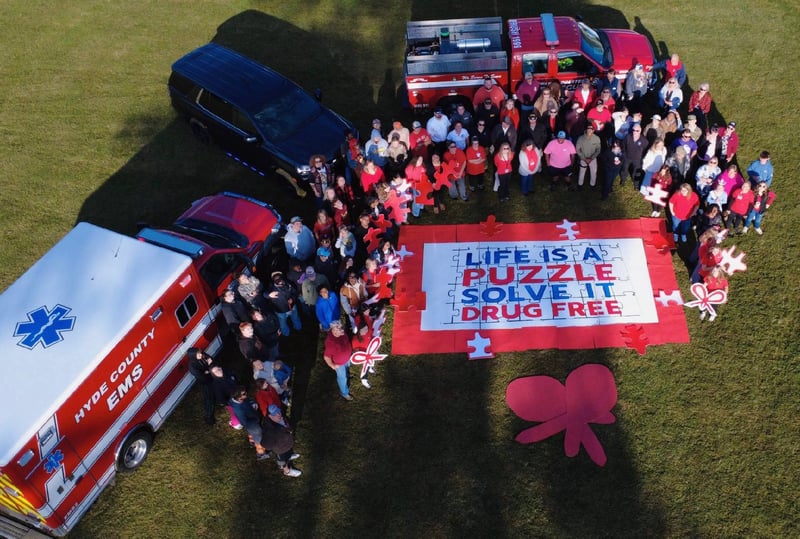
- First responders
- Counselors
- Prevention specialists
- Coaches
- Veterans
- Business owners
- Volunteers
- Community advocates
- Former students
Speakers should be encouraged to focus on practical lessons, personal responsibility, resilience, and the importance of asking for help.
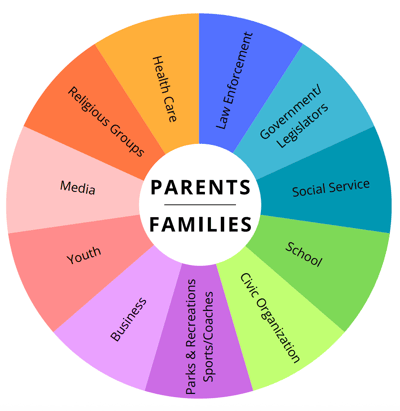
Communities can also recognize individuals or organizations that support young people and promote healthy environments. This reinforces the idea that prevention is not the responsibility of one school, one family, or one organization. It is a shared commitment.
Turn the Theme Into Service
Heroes do more than make good choices for themselves. They also look for ways to help others.
Schools can connect the Red Ribbon Week theme to a community service project, such as:
- Collecting food for a local pantry
- Creating thank-you cards for first responders
- Organizing a school supply drive
- Supporting a local youth organization
- Cleaning up a park or school campus
- Writing encouraging notes to other students
- Collecting items for families in need
Service projects allow students to experience what it means to make a difference. They show that positive influence is created through action—not simply through words.
Use Campaign Materials With Purpose
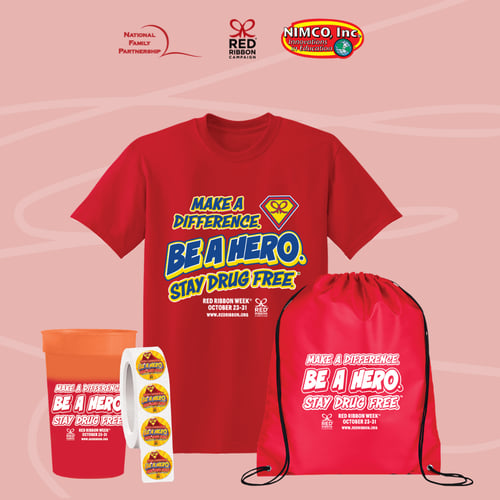
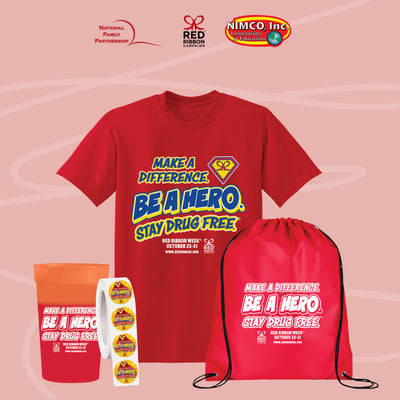
Posters, wristbands, banners, ribbons, pencils, stickers, and other Red Ribbon materials can help make the campaign visible throughout a school or community.
However, materials are most effective when they reinforce a clear message.
For example:
- Place discussion questions beside hallway posters.
- Include prevention resources near campaign displays.
- Add student-written messages to bulletin boards.
- Use wristbands as reminders of a specific pledge.
- Provide families with information alongside take-home items.
- Display the theme in areas where students gather regularly.
Campaign materials should support meaningful conversations and activities rather than serving as the entire campaign.
Use Social Media to Spotlight Everyday Heroes
Social media can extend Red Ribbon Week beyond the school building and help families and community members participate.
Schools and organizations can share:
- Student artwork
- Daily prevention messages
- Photos from approved activities
- Community hero spotlights
- Family conversation starters
- Healthy coping strategies
- Staff participation
- Student-created videos
- Red Ribbon Week reminders
- Prevention resources
A daily series could highlight one “hero choice,” such as asking for help, including others, handling stress in a healthy way, or standing up against peer pressure.
Organizations should always follow their established media permissions and privacy policies when sharing student photos, names, or work.
Remind Students That Asking for Help Is Heroic
One of the most important messages adults can communicate is that heroes do not have to handle every problem alone.
Asking for help is not a sign of weakness. It can be an act of courage.
Students should know which trusted adults and resources are available if they are worried about themselves or someone else. Schools can use Red Ribbon Week to clearly identify counselors, social workers, teachers, administrators, family members, and other support systems.
This message is especially important for students who may already be affected by substance use in their families, friendships, or communities.
Prevention messages should never shame or isolate them. Instead, Red Ribbon Week should create an environment where every student feels supported, valued, and able to seek help.
Keep the Commitment Going
Red Ribbon Week is observed for nine days, but prevention cannot end when October is over.
Schools and organizations can carry the theme forward by:
- Continuing student leadership programs
- Recognizing everyday heroes throughout the year
- Providing ongoing family resources
- Incorporating prevention into health education
- Supporting positive after-school activities
- Teaching healthy coping and decision-making skills
- Connecting students with trusted adults
- Revisiting student pledges and goals
- Celebrating kindness, courage, and responsible choices
A successful Red Ribbon Week campaign should serve as the beginning of continued conversations—not the end of them.
Every Choice Can Make a Difference
The 2026 Red Ribbon Week theme offers young people a powerful and encouraging message: You do not need superpowers to be a hero.
You can make a difference by choosing what is healthy. You can be a hero by supporting someone who needs help. You can lead by treating others with kindness, standing confidently in your values, and encouraging your friends to make positive decisions.
This Red Ribbon Week, let us help every student recognize the influence they already have.
Together, schools, families, and communities can turn “Make A Difference. Be A Hero. Stay Drug Free.™” from a campaign theme into a message young people can carry with them throughout the year—and throughout their lives.
Visit RedRibbon.org to learn more about the 2026 theme, access campaign information, and discover additional ways to participate in Red Ribbon Week.

 This year's theme, “Make a Difference. Be a Hero. Stay Drug Free.™,” carries an important message: Every one of us has the power to be a hero through the choices we make and the examples we set.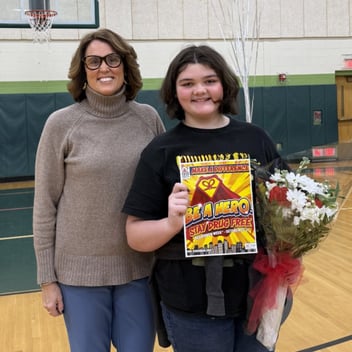
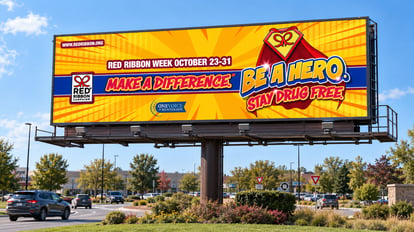 We are also proud to recognize One Voice of Hunterdon in New Jersey, whose creative Red Ribbon Week billboard campaign brings this year's theme directly into its community. Their initiative demonstrates how prevention organizations can use creative outreach to keep important messages visible and inspire healthy choices.