Donate
NFP

NFP


Recent posts by NFP

4 min read

Red Ribbon Week Prep Checklist: What Schools Should Order, Plan and Promote Now

By NFP on Sep 8, 2026, 10:56:12 AM

Red Ribbon Week® takes place October 23 – 31, but the most successful school and community campaigns begin well before October.

Ordering materials, assigning responsibilities and promoting activities early gives your team more time to create a meaningful experience—not just a last-minute spirit week.

Use this checklist to begin preparing for the 2026 Red Ribbon Week theme:

“Make a Difference. Be a Hero. Stay Drug Free.™”

RR kick off 2026

1. Order Official Red Ribbon Week Materials

Confirm your budget, estimate the number of students and participants, and place orders early to allow enough time for delivery.

Consider ordering:

  • Official 2026 theme banners and posters
  • Red ribbons, wristbands, stickers or buttons
  • Pledge cards or a schoolwide commitment banner
  • Bookmarks and educational materials
  • Student contest prizes and giveaways
  • Shirts or themed items for staff and volunteers
  • Decorations for classrooms, hallways and community spaces
  • Materials to share with families and community partners

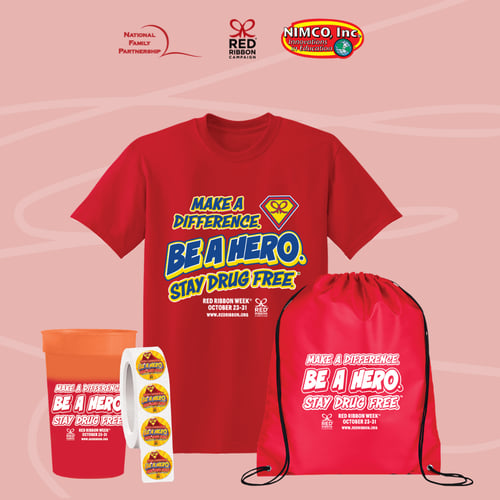
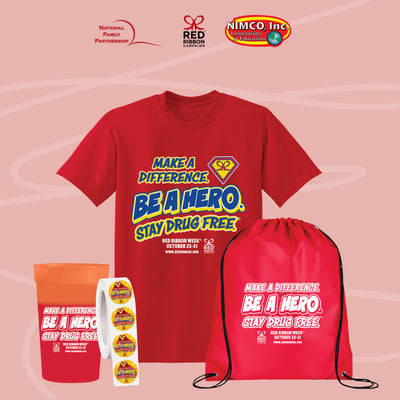
NIMCO, Inc. is the official supplier of Red Ribbon Week campaign materials and offers merchandise featuring the 2026 theme.

Order official 2026 Red Ribbon Week materials from NIMCO.

2. Build Your Planning Team

Select one campaign coordinator, but avoid making Red Ribbon Week a one-person project.

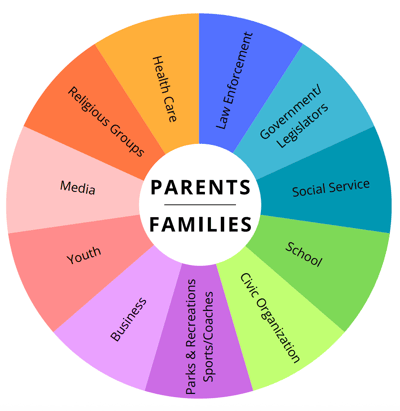
community-wheel-2025

Invite representatives from:

  • School administration
  • Teachers and counselors
  • Student government or leadership clubs
  • Parent organizations
  • Law enforcement and first responders
  • Local prevention organizations
  • Healthcare professionals
  • Businesses and community groups

Assign specific responsibilities for ordering, activities, volunteers, family communication, decorations, photography and social media.

3. Choose Activities With a Purpose

Spirit days can build excitement, but each activity should connect back to healthy choices, leadership and drug-use prevention.

Schools and community organizations can plan:

  • A schoolwide rally or assembly
  • A Red Ribbon pledge banner
  • Classroom or door-decorating contests
  • Poster, essay, video or announcement contests
  • Student-created prevention messages
  • A family education night or community health fair
  • Peer-to-peer presentations
  • Daily prevention facts during morning announcements
  • A community walk or Red Ribbon caravan
  • A building or local landmark illumination

The Red Ribbon Campaign also suggests involving police departments, health departments and prevention coalitions in educational presentations and community activities.

4. Bring the 2026 Theme to Life

This year’s theme reminds students that choosing to live drug-free is an act of leadership and that their everyday decisions can positively influence others.

Connect activities to the superhero theme by asking students to:

  • Recognize an everyday hero in their school
  • Create posters showing how healthy choices make a difference
  • Write encouraging messages for classmates
  • Nominate students who demonstrate kindness and leadership
  • Dress as their favorite real-life hero
  • Share how they can be positive role models
  • Complete a “My Drug-Free Superpower” activity

Focus on helping students understand that they do not need special powers to make a difference.

5. Invite Community Participation

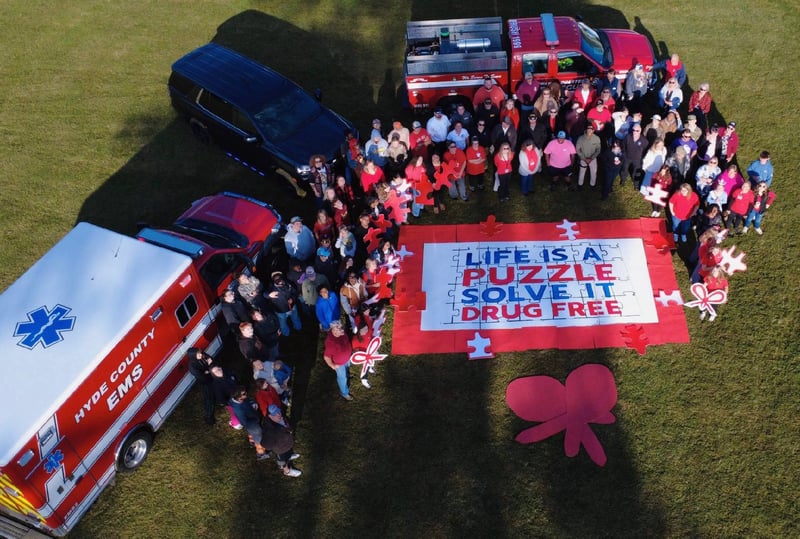
rrw-light-up-red-gmd

Ask local partners to:

  • Display Red Ribbon Week posters
  • Sponsor materials, prizes or activities
  • Provide speakers or volunteers
  • Wear red on a designated community day
  • Share prevention resources with families
  • Participate in a rally, walk or health fair
  • Decorate storefronts or community spaces
  • Light a building or landmark red
  • Recognize young people demonstrating positive leadership

Schools can also request an official Red Ribbon Week proclamation from their city, county or local government.

6. Prepare Your Promotional Plan

Begin communicating before Red Ribbon Week arrives so families and community partners have enough time to participate.

Prepare:

  • A full activity calendar
  • Parent emails and newsletter announcements
  • School website and app updates
  • Social media graphics and captions
  • Morning announcements
  • Flyers for businesses and community centers
  • A press release for local media
  • Reminders for each activity
  • Photo and video permission forms when needed

When promoting spirit days, explain the purpose behind each theme—not only what students should wear.

7. Capture and Celebrate the Impact

Choose someone to photograph activities, gather student quotes and document participation.

After Red Ribbon Week:

  • Share photos and campaign highlights
  • Thank volunteers, families and community partners
  • Recognize student leaders
  • Report participation totals
  • Collect feedback from teachers and students
  • Save successful ideas for next year
  • Continue sharing prevention messages throughout the school year

Start Planning Now

Red Ribbon Week is an opportunity to bring schools, families and communities together around one important message: young people have the power to make healthy, drug-free choices.

Start by forming your team, choosing your activities and ordering official campaign materials.

Make a Difference. Be a Hero. Stay Drug Free.™

5 min read

Back-to-School Is the Best Time to Start Red Ribbon Planning

By NFP on Aug 31, 2026, 11:29:59 AM

The beginning of a new school year is filled with fresh routines, new goals and renewed excitement. Teachers are welcoming students into their classrooms, families are adjusting to new schedules and community organizations are preparing programs for the months ahead.

It is also the perfect time to begin planning for Red Ribbon Week®.

Observed each year from October 23–31, Red Ribbon Week is the nation’s largest and longest-running drug-use prevention campaign. It brings schools, families and communities together around one shared purpose: helping young people make healthy, safe and drug-free choices.

Although October may feel far away during the busy back-to-school season, starting early makes it easier to create a celebration that is meaningful, organized and engaging for everyone involved.

Early Planning Creates a Stronger Red Ribbon Week

The most impactful Red Ribbon Week activities involve more than wearing red for a day. They give students opportunities to learn, participate, lead and understand why choosing a drug-free lifestyle matters.

Beginning the planning process at the start of the school year allows schools and organizations to:

  • Form a Red Ribbon planning committee.
  • Include activities on school and community calendars.
  • Invite students to share ideas and take leadership roles.
  • Coordinate with parents, businesses and community partners.
  • Secure speakers, materials and volunteers.
  • Promote activities before October arrives.

Instead of rushing to plan several activities at the last minute, organizers can create a coordinated campaign that reinforces prevention messages throughout the week—and beyond.

Bring the 2026 Theme to Life

2026_RRW_WEB_BANNER_600x300

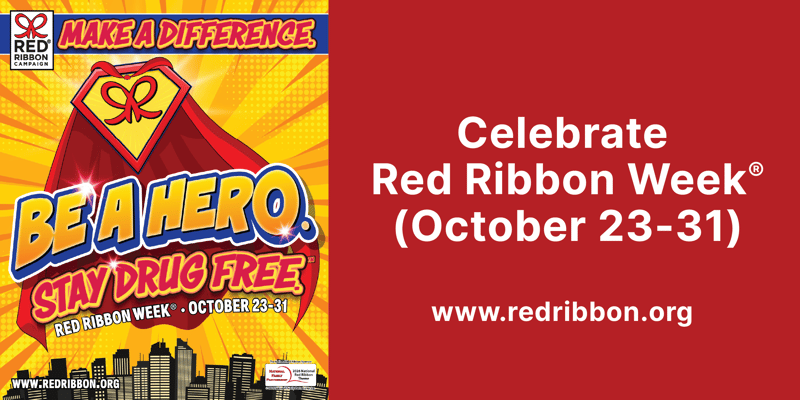
The official 2026 Red Ribbon Week theme is:
“Make a Difference. Be a Hero. Stay Drug Free.™”

Created by Ava Tackett, a student at Griswold Middle School in Connecticut, the theme reminds young people that everyday choices can be acts of courage and leadership. Students do not need special powers to be heroes. They can make a difference by making healthy decisions, supporting their friends and becoming positive examples in their schools and communities.

Back-to-school planning gives educators and community leaders time to build activities around that message.

Students might recognize everyday heroes in their school, create posters showing how healthy choices make a difference or write messages encouraging their classmates to stay drug-free. Schools can also highlight students, teachers, parents, first responders and community members who lead through kindness, responsibility and positive choices.

Give Students a Voice

Students are more likely to connect with Red Ribbon Week when they have an active role in planning it.

Invite student councils, clubs, athletic teams and classroom representatives to help choose activities. Ask students what being a hero means to them and how they can positively influence their friends.

Student-led activities could include:

  • A Red Ribbon rally or school assembly.
  • Poster, essay or door-decorating contests.
  • Drug-free pledges or commitment banners.
  • Morning announcements written and presented by students.
  • Peer-to-peer prevention messages.
  • Theme days connected to healthy choices.
  • Videos or social media content featuring student voices.

The goal is not simply to fill a calendar. It is to help students recognize that their choices matter and that they have the power to influence others.

Make Families Part of the Conversation

Parents and caregivers are essential partners in prevention. Red Ribbon Week can help families begin or continue age-appropriate conversations about drugs, alcohol, peer pressure and healthy decision-making.

As activities are planned, schools can provide families with discussion questions, prevention resources and simple ways to participate at home. Families may sign the Red Ribbon Pledge together, attend a school rally, decorate their homes with red ribbons or talk about what it means to be a positive role model.

The National Family Partnership also encourages parents to work with school organizations, talk regularly with their children about drugs and alcohol, secure medications at home and become familiar with the parents of their children’s friends.

These conversations should not begin and end in October. Red Ribbon Week can serve as a starting point for year-round communication, connection and support.

Invite the Community to Participate

Region 2 - Williams Family-2

Drug prevention is most effective when the entire community works together.

Local businesses, law enforcement agencies, healthcare professionals, faith-based organizations, government representatives and prevention groups can all contribute to Red Ribbon Week.

Community partners may be invited to:

  • Sponsor activities or provide supplies.
  • Display red ribbons and campaign materials.
  • Participate in a community rally or health fair.
  • Share prevention information with families.
  • Arrange for a local landmark or building to be illuminated in red.
  • Request an official Red Ribbon Week proclamation.
  • Recognize youth who demonstrate leadership and positive decision-making.

Starting these conversations during the back-to-school season provides organizations with enough time to coordinate schedules and create partnerships that extend beyond one event.

Create a Simple Planning Timeline

Red Ribbon planning does not have to feel overwhelming. Begin with a few manageable steps.

At the beginning of the school year:
Create a planning team, review available resources and select the main goals for your campaign.

During September:
Finalize activities, invite community partners, order materials and begin communicating with families.

In early October:
Promote the schedule, prepare students and volunteers, confirm speakers and distribute campaign resources.

October 23–31:
Celebrate Red Ribbon Week, share prevention messages and recognize the everyday heroes making healthy choices.

After the campaign, gather feedback and save successful ideas for the following year.

Start Today and Make a Difference

Red Ribbon Week is more than an annual celebration. It is an opportunity to strengthen families, empower young people and unite communities around healthy, drug-free living.

By starting during the back-to-school season, schools, families and community organizations can create activities that are thoughtful, inclusive and memorable. Every conversation, partnership and positive example can help a young person make a healthier choice.

This year, let us show students that they already have what it takes to lead, encourage others and create positive change.

Make a Difference. Be a Hero. Stay Drug Free.™

Begin planning your 2026 Red Ribbon Week activities today by exploring the official activity ideas, resources and Red Ribbon Week Planning Guide available through the Red Ribbon Campaign.

10 min read

How to Bring the 2026 Red Ribbon Week Theme to Life

By NFP on Aug 4, 2026, 11:19:51 AM

Every hero has the power to make a difference—and that power often begins with a single choice.

The official 2026 Red Ribbon Week® theme, “Make A Difference. Be A Hero. Stay Drug Free.™,” encourages young people to recognize that choosing a healthy, drug-free lifestyle is an act of courage, leadership, and positive influence. Created by Ava Tackett, a student at Griswold Middle School in Connecticut, the theme reminds students that heroes are not limited to fictional characters, celebrities, or athletes. They can be classmates, friends, family members, teachers, and community leaders who make responsible choices and encourage others to do the same.

Observed annually from October 23 through October 31, Red Ribbon Week is an opportunity for schools, families, and communities to unite around prevention. However, bringing the 2026 theme to life requires more than displaying posters or planning a few spirit days. The strongest campaigns help students understand how their everyday decisions can protect their health, support their peers, and positively shape the communities around them.

What Does It Mean to Be a Hero?

When young people hear the word “hero,” they may picture someone wearing a cape, saving the day, or accomplishing something extraordinary.

The 2026 Red Ribbon Week theme gives adults an opportunity to expand that definition.

A hero can be someone who:

  • Makes a healthy choice, even when others do not.
  • Refuses to participate in unsafe or harmful behavior.
  • Supports a friend who is struggling.
  • Speaks up when something does not feel right.
  • Includes someone who feels left out.
  • Asks a trusted adult for help.
  • Encourages others to make positive decisions.
  • Shows kindness, confidence, and responsibility.

These actions may not always receive attention, but they can make a meaningful difference. By helping students recognize everyday acts of leadership, the theme becomes more personal and attainable.

Students do not have to wait until they are older to become positive influences. They can begin with the choices they make today.

Start the Conversation Before Red Ribbon Week

Red Ribbon Week should not begin when the decorations go up on October 23. Schools and community organizations can begin introducing the theme weeks in advance.

Teachers may ask students questions such as:

  • What qualities make someone a hero?
  • Who is a hero in your life, and why?
  • How can one positive choice influence other people?
  • What does courage look like at school?
  • How can students help friends make healthy decisions?
  • Who can you talk to when you need help?

These conversations can take place during morning announcements, advisory periods, health classes, assemblies, counseling lessons, or classroom discussions.

Starting early gives students time to reflect on the message instead of simply seeing it as another school slogan. It also creates opportunities for them to help shape the campaign.

Give Students Opportunities to Lead

One of the most effective ways to engage students is to give them an active role in Red Ribbon Week.

Instead of adults planning every detail, schools can invite students to develop activities, create messages, lead announcements, or recognize positive role models.

Student-led ideas may include:

Create an Everyday Heroes Campaign

Ask students to nominate classmates, teachers, staff members, family members, or community leaders who demonstrate courage, kindness, healthy decision-making, or positive leadership.

Selected heroes can be recognized through:

  • Morning announcements
  • Bulletin board displays
  • School newsletters
  • Social media posts
  • Classroom certificates
  • Video interviews
  • A schoolwide “Hero Wall”

Recognition should focus on actions rather than popularity. A student who helped a friend, welcomed a new classmate, asked for support, or stood up against peer pressure may be demonstrating exactly the kind of leadership the campaign celebrates.

Invite Students to Share Their Voices

Students can create short messages explaining what being a hero means to them.

These messages may be shared through:

  • Posters
  • Essays
  • Poetry
  • Artwork
  • Videos
  • Classroom presentations
  • Social media graphics
  • School announcements

A simple prompt such as “I can make a difference by…” allows students of all ages to connect the national theme to their own lives.

Form a Student Planning Committee

A Red Ribbon Week student committee can help select spirit days, create decorations, develop announcements, plan service activities, and encourage participation.

When students help lead the campaign, they are more likely to feel personally invested in its message.

Make Spirit Days More Meaningful

Spirit days can create excitement and visibility, but each activity should connect clearly to prevention and healthy decision-making.

Rather than choosing themes only because they are fun, schools can explain how each day supports the campaign’s larger message.

Ideas include:

Heroes Make Healthy Choices

Invite students to dress as a personal hero, community helper, historical figure, or positive role model.

During the day, ask students to share one quality they admire about the person they selected.

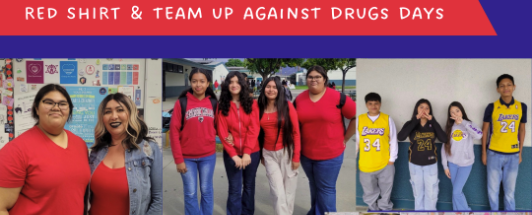
Team Up Against Drugs

Students can wear clothing representing their favorite sports team, school organization, club, or activity.

Use the day to discuss how strong teams support one another and help members make responsible decisions.

Your Future Is Bright

Encourage students to wear bright colors or sunglasses while discussing goals, dreams, and the healthy choices that can help them build the future they want.

Be Comfortable Being Yourself

Students can wear pajamas or comfortable clothing while learning about confidence, authenticity, and resisting pressure to fit in.

Wear Red and Stand Together

Conclude the week with a schoolwide red-out day that visually demonstrates unity around the commitment to healthy, drug-free living.

Every spirit day should include a brief discussion, announcement, classroom activity, or reflection question. The clothing may capture students’ attention, but the message is what gives the activity meaning.

Connect Activities to Students’ Ages

Red Ribbon Week messages should be developmentally appropriate. Younger students and teenagers will not connect with prevention education in the same way.

Elementary School

For younger students, focus on:

  • Making safe and healthy choices
  • Understanding feelings
  • Identifying trusted adults
  • Practicing kindness
  • Caring for the body
  • Handling pressure from friends
  • Asking for help

Activities may include coloring pages, read-alouds, classroom pledges, role-playing exercises, and drawings of everyday heroes.

Middle School

Middle school students may benefit from conversations about:

  • Peer pressure
  • Belonging
  • Social media influences
  • Decision-making
  • Healthy coping skills
  • Friendship
  • Confidence
  • The consequences of choices

Students can analyze realistic scenarios, create peer-to-peer messages, participate in group discussions, or develop campaigns for younger students.

High School

High school activities can address:

  • Personal responsibility
  • Stress management
  • Substance-use risks
  • Leadership
  • Future goals
  • Supporting friends
  • Asking for help
  • Positive social norms

Older students may lead panel discussions, create videos, mentor younger students, organize service projects, or develop schoolwide prevention messages.

The goal is not to frighten students. It is to provide accurate, age-appropriate information while helping them build the confidence and skills needed to make healthy decisions.

Help Families Continue the Message at Home

Families play an essential role in reinforcing prevention messages. Red Ribbon Week provides a natural opportunity for parents and caregivers to begin or continue conversations about health, responsibility, peer pressure, and substance use.

Schools can support families by sending home simple conversation starters, such as:

  • What does being a hero mean to you?
  • Who helps you make good decisions?
  • What would you do if a friend encouraged you to do something unsafe?
  • Who are the trusted adults you can talk to?
  • What are some healthy ways to handle stress?
  • How can our family support one another?

Schools may also invite families to complete a drug-free pledge, decorate their front doors, participate in a family activity night, share photos of their everyday heroes, or write encouraging notes to their children.

The purpose is not to create one perfect conversation. It is to help families develop an ongoing pattern of open, honest, and judgment-free communication.

Recognize the Heroes in Your Community

The 2026 theme also creates an opportunity to connect schools with the people who serve their communities every day.

Schools and organizations can invite local leaders to share how healthy choices, preparation, teamwork, and responsibility influence their work.

Potential guests may include:

  • Healthcare professionals
  • First responders
  • Counselors
  • Prevention specialists
  • Coaches
  • Veterans
  • Business owners
  • Volunteers
  • Community advocates
  • Former students

Speakers should be encouraged to focus on practical lessons, personal responsibility, resilience, and the importance of asking for help.

Communities can also recognize individuals or organizations that support young people and promote healthy environments. This reinforces the idea that prevention is not the responsibility of one school, one family, or one organization. It is a shared commitment.

Turn the Theme Into Service

Heroes do more than make good choices for themselves. They also look for ways to help others.

Schools can connect the Red Ribbon Week theme to a community service project, such as:

  • Collecting food for a local pantry
  • Creating thank-you cards for first responders
  • Organizing a school supply drive
  • Supporting a local youth organization
  • Cleaning up a park or school campus
  • Writing encouraging notes to other students
  • Collecting items for families in need

Service projects allow students to experience what it means to make a difference. They show that positive influence is created through action—not simply through words.

Use Campaign Materials With Purpose

Posters, wristbands, banners, ribbons, pencils, stickers, and other Red Ribbon materials can help make the campaign visible throughout a school or community.

However, materials are most effective when they reinforce a clear message.

For example:

  • Place discussion questions beside hallway posters.
  • Include prevention resources near campaign displays.
  • Add student-written messages to bulletin boards.
  • Use wristbands as reminders of a specific pledge.
  • Provide families with information alongside take-home items.
  • Display the theme in areas where students gather regularly.

Campaign materials should support meaningful conversations and activities rather than serving as the entire campaign.

Use Social Media to Spotlight Everyday Heroes

Social media can extend Red Ribbon Week beyond the school building and help families and community members participate.

Schools and organizations can share:

  • Student artwork
  • Daily prevention messages
  • Photos from approved activities
  • Community hero spotlights
  • Family conversation starters
  • Healthy coping strategies
  • Staff participation
  • Student-created videos
  • Red Ribbon Week reminders
  • Prevention resources

A daily series could highlight one “hero choice,” such as asking for help, including others, handling stress in a healthy way, or standing up against peer pressure.

Organizations should always follow their established media permissions and privacy policies when sharing student photos, names, or work.

Remind Students That Asking for Help Is Heroic

One of the most important messages adults can communicate is that heroes do not have to handle every problem alone.

Asking for help is not a sign of weakness. It can be an act of courage.

Students should know which trusted adults and resources are available if they are worried about themselves or someone else. Schools can use Red Ribbon Week to clearly identify counselors, social workers, teachers, administrators, family members, and other support systems.

This message is especially important for students who may already be affected by substance use in their families, friendships, or communities.

Prevention messages should never shame or isolate them. Instead, Red Ribbon Week should create an environment where every student feels supported, valued, and able to seek help.

Keep the Commitment Going

Red Ribbon Week is observed for nine days, but prevention cannot end when October is over.

Schools and organizations can carry the theme forward by:

  • Continuing student leadership programs
  • Recognizing everyday heroes throughout the year
  • Providing ongoing family resources
  • Incorporating prevention into health education
  • Supporting positive after-school activities
  • Teaching healthy coping and decision-making skills
  • Connecting students with trusted adults
  • Revisiting student pledges and goals
  • Celebrating kindness, courage, and responsible choices

A successful Red Ribbon Week campaign should serve as the beginning of continued conversations—not the end of them.

Every Choice Can Make a Difference

The 2026 Red Ribbon Week theme offers young people a powerful and encouraging message: You do not need superpowers to be a hero.

You can make a difference by choosing what is healthy. You can be a hero by supporting someone who needs help. You can lead by treating others with kindness, standing confidently in your values, and encouraging your friends to make positive decisions.

This Red Ribbon Week, let us help every student recognize the influence they already have.

Together, schools, families, and communities can turn “Make A Difference. Be A Hero. Stay Drug Free.™” from a campaign theme into a message young people can carry with them throughout the year—and throughout their lives.

Visit RedRibbon.org to learn more about the 2026 theme, access campaign information, and discover additional ways to participate in Red Ribbon Week.
4 min read

How Schools Can Prepare Early for Red Ribbon Week 2026

By NFP on Jul 28, 2026, 10:04:21 AM

A meaningful Red Ribbon Week does not come together overnight. Learn how schools can start planning early, involve their communities and prepare an engaging prevention campaign for October.

Red Ribbon Week may take place from October 23–31, but successful school campaigns begin months earlier.

Starting early gives schools time to organize meaningful activities, involve families and community partners, order materials and keep prevention education at the center of the celebration.

The official 2026 Red Ribbon Week theme is:

“Make A Difference. Be A Hero. Stay Drug Free.™”

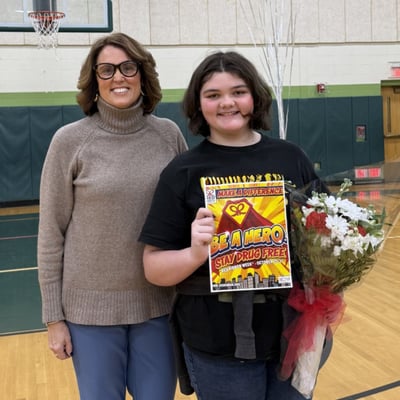
kristen and ava

Created by middle school student Ava Tackett, this year’s theme encourages students to recognize that making healthy, drug-free choices is an act of leadership, courage and positive influence. It also gives schools a powerful starting point for activities that celebrate everyday heroes and show students how their decisions can positively affect their friends, families and communities.

October may still feel far away, but starting now can help your school create a Red Ribbon Week that is organized, engaging and connected to a larger culture of prevention.

This year’s theme encourages students to recognize that healthy, drug-free choices are acts of courage, leadership and positive influence.

Here are several ways schools can begin preparing now.

Build a Planning Team

Start by identifying the staff members, students and community partners who will help coordinate the campaign.

Your planning team may include administrators, teachers, counselors, parent organizations, student leaders and school resource officers.

Assign clear responsibilities for activities, communications, decorations, merchandise, volunteers and classroom resources. Sharing responsibilities early helps create a more organized and effective campaign.

Choose a Clear Message

Before selecting spirit days or ordering supplies, decide what students should learn and remember.

The 2026 theme can help schools explore what it means to be an everyday hero. Students can make a difference by supporting a friend, asking a trusted adult for help, resisting peer pressure or making choices that protect their goals.

Use questions such as:

  • What does courage look like in everyday life?
  • How can healthy choices influence others?
  • Who are the trusted adults students can turn to?
  • How can students help create a safer school community?

When every activity connects to one shared message, the campaign feels more meaningful.

Screenshot 2026-07-27 at 11.49.03 AM

Select Age-Appropriate Activities

Red Ribbon Week activities should reflect the ages and needs of your students.

Schools may include:

  • Wear Red Day and themed spirit days.
  • Classroom discussions or writing prompts.
  • Poster, essay or video contests.
  • Student-created morning announcements.
  • Drug-free pledge activities.
  • Family conversation starters.
  • Community speaker presentations.
  • Everyday hero recognition displays.

Student involvement is especially valuable. Invite students to help create posters, videos, announcements and activities that will connect with their classmates.

RR kick off 2026

Order Merchandise Early

Schools often use ribbons, wristbands, pencils, stickers, shirts, banners and other materials to reinforce the campaign message.

VIEW OUR RED RIBBON THEMED MERCHANDISE »

Before ordering, confirm:

  • Student and staff quantities.
  • Available budget.
  • Distribution plans.
  • Contest or incentive needs.
  • Display locations.
  • Sponsorship opportunities.

Ordering official Red Ribbon Week merchandise early allows more time to confirm quantities, avoid last-minute delays and incorporate materials into planned activities.

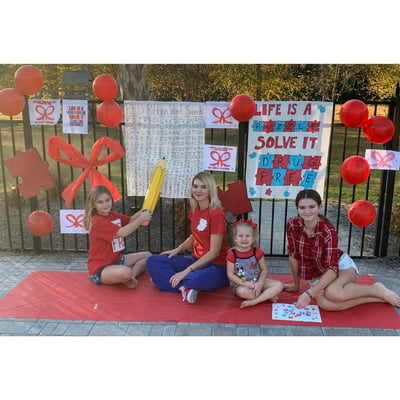
Burroughs family  - most creative

Involve Families and Community Partners

Red Ribbon Week becomes stronger when its message continues beyond the classroom.

Send families the activity schedule, prevention resources and conversation starters before October. Invite them to participate in Wear Red Day, home activities or school events.

Schools can also reach out to local prevention organizations, healthcare professionals, law enforcement agencies, youth groups and community leaders. These partners may provide speakers, volunteers, educational resources or campaign sponsorships.

Create a Communication Plan

Families and staff members are more likely to participate when they receive information early.

Your communication plan might include:

  • A save-the-date announcement.
  • An introduction to the 2026 theme.
  • A schedule of activities.
  • Spirit day reminders.
  • Volunteer or sponsorship requests.
  • Social media posts.
  • Family prevention resources.
  • A post-event recap.

Explain the purpose behind the activities so families understand that Red Ribbon Week is about more than wearing red. It is an opportunity to support healthy, responsible and drug-free choices.

A Simple Planning Timeline

July and August

Form the planning team, establish goals, create a budget and review available resources.

August and September

Choose activities, place merchandise orders and invite community partners.

September and Early October

Promote the campaign, prepare staff and share the schedule with families.

October

Finalize materials, distribute supplies and celebrate Red Ribbon Week from October 23–31.

Start Preparing Today

A meaningful Red Ribbon Week does not need to be complicated, but it does require time, organization and a clear purpose.

By preparing before October, schools can create a campaign that engages students, supports families and strengthens a year-round culture of prevention.

Make A Difference. Be A Hero. Stay Drug Free.™


4 min read

2025 Enrique Camarena Award Recipient and Honoree Announced

By NFP on Mar 13, 2026, 11:00:01 AM

The 2025 Enrique Camarena Award recognizes individuals whose leadership, service, and commitment to prevention reflect the enduring legacy of Enrique “Kiki” Camarena. This year, we are proud to honor two remarkable leaders whose work continues to create meaningful change in the lives of those they serve.


The 2025 Enrique Camarena Award recognizes individuals whose leadership, service, and commitment to prevention reflect the enduring legacy of Enrique “Kiki” Camarena. This year, we are proud to honor two remarkable leaders whose work continues to create meaningful change in the lives of those they serve.

2025 Enrique Camarena Award Recipient: Dr. Matthew Lee, Ph.D., ICADC


Dr.Lee

This year’s Enrique Camarena Award Recipient is Dr. Matthew Lee, Ph.D., ICADC, Lead Substance Abuse Counselor at East Mississippi Correctional Facility.

Since 2009, Dr. Lee has dedicated his career to substance abuse counseling, recovery support, and rehabilitation. In his role, he oversees the Therapeutic Alcohol and Drug Program and has helped create a stronger path forward for individuals working to rebuild their lives. His leadership has included the integration of evidence-based practices, dynamic therapeutic interventions, and innovative digital tools that support long-term recovery and personal growth.

Dr. Lee’s impact is both measurable and lasting. Under his guidance, the program has seen a 15% increase in resident retention, a 98% rule-violation-free rate, and approximately 50 successful paroles annually. These outcomes reflect more than numbers. They represent restored hope, renewed direction, and lives changed through compassionate and structured support.

Beyond his daily leadership, Dr. Lee has made Red Ribbon awareness a core part of his service. Since 2014, he has led annual facility-wide Red Ribbon campaigns that bring staff and residents together in support of prevention, healing, and drug-free living. His work demonstrates the kind of sustained leadership and broad institutional impact that this award was created to recognize.

 2025 Enrique Camarena Award Honoree: Donna Meyers 


Donna Meyers 2

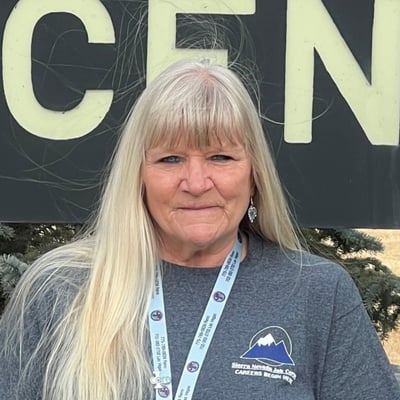
We are also proud to recognize Donna Meyers, TEAP Specialist at Sierra Nevada Job Corps, as this year’s Enrique Camarena Award Honoree.

Donna’s work reflects the power of prevention through mentorship, personal connection, and lived experience. At Sierra Nevada Job Corps, she led the Red Ribbon Campaign on campus, creating opportunities for students to engage with prevention in a meaningful and memorable way. Her efforts inspired more than 80 students to sign a commitment pledge to remain substance-free, representing more than 75% participation on campus.

Among the most touching parts of her campaign was the planting of 50 red tulip bulbs throughout the campus in honor of Enrique Camarena. This symbolic tribute served as a lasting reminder of his courage, sacrifice, and the mission behind Red Ribbon. Donna’s leadership helped turn prevention into something students could see, understand, and carry with them.

With 15 years of experience as a Substance Abuse and Gambling Counselor and more than 20 years in personal recovery, Donna brings both professional expertise and personal testimony to her role. Her story is one of resilience, healing, and hope. That combination has made her a trusted mentor and a powerful example for the students she serves each day.

Two Powerful Stories of Prevention and Leadership 

While both honorees are deeply deserving of recognition, their stories reflect different kinds of impact.

Dr. Matthew Lee’s work represents long-term institutional leadership, measurable program outcomes, and systemic influence across a correctional setting. Donna Meyers’ work highlights the importance of campus-based prevention, student mentorship, and the inspiring role of lived experience in helping young people make healthy choices.

Together, their work shows that prevention leadership can take many forms. Whether through large-scale program leadership or one-on-one encouragement, both individuals embody the spirit of the Enrique Camarena Award.

Celebrating the 2025 Honorees 

We proudly celebrate Dr. Matthew Lee as the 2025 Enrique Camarena Award Recipient and Donna Meyers as the 2025 Enrique Camarena Award Honoree.

Their dedication to prevention, recovery, mentorship, and service continues to leave a lasting mark on the communities they serve. We thank them both for carrying forward the legacy of Enrique Camarena and for reminding us of the powerful difference one person can make.

Learn More! 

To learn more about Red Ribbon leadership and prevention efforts, follow along with our latest campaigns and community highlights, visit Redribbon.org 


2 min read

National Family Partnership Announces 2026 Red Ribbon Week Theme: “Make a Difference. Be a Hero. Stay Drug Free. ™

By NFP on Feb 9, 2026, 8:48:59 AM

FOR IMMEDIATE RELEASE

Red Ribbon Week Theme 2026 (300 dpi)

Miami, FL — The National Family Partnership (NFP) has announced the official 2026 Red Ribbon Week theme: “Make a Difference. Be a Hero. Stay Drug Free.™” The theme was selected through NFP’s annual Red Ribbon Week Theme Contest and highlights the idea that choosing to live drug-free is an everyday act of leadership, courage, and positive influence.

The winning slogan was submitted by Ava Tackett, whose message stood out for its clarity, empowerment, and strong focus on personal responsibility and peer influence. “Drug free means not taking drugs and making an impact on others,” Ava shared.

kristen and ava

“You can be a hero to other people by not using drugs and inspire them to choose a healthy lifestyle. Heroes inspire others…like Batman to Robin!” - Ava Tackett

Ava’s teacher, Kristen Butremovic, also highlighted the theme’s impact on students, noting that it helps them see that role models aren’t only adults or athletes—they’re classmates making healthy choices and leading with confidence and kindness.

Peggy B. Sapp, President of the National Family Partnership, emphasized the value of youth voices in prevention: “The Red Ribbon Week Theme Contest isa meaningful way to engage communities nationwide. Each year, students remind us that living drug-free is a message worth sharing — and living— for life.

As a prevention partner supporting Red Ribbon Week messaging and community activation, The National Family Partnership encourages schools,families, and community organizations to use this year’s theme to spotlight the everyday heroes who make healthy choices and influence others through confidence, kindness, and example.

Theme submissions for the Red Ribbon Week Theme Contest are accepted annually from January 1 through December 4. Winners receive $500 in Red Ribbon Week-themed merchandise, generously provided by Nimco, Inc., the official supplier of Red Ribbon materials.

Red Ribbon Week will be observed October 23–31.
For more information, visit www.RedRibbon.org.

3 min read

Why Locking Your Meds Matters

By NFP on Feb 2, 2026, 2:57:55 PM

At the National Family Partnership, we believe that every parent, grandparent, educator, and community leader has the power to make a difference in a child’s life. And sometimes, that difference begins in the most unexpected place—your own medicine cabinet.

Blog Banner for Website Content-1

Through our Lock Your Meds® campaign, we’re empowering families to take practical, preventative action against one of today’s most underrecognized threats: youth access to prescription medications.

The Hidden Risk at Home

You might be surprised to learn that the majority of teens who misuse prescription drugs don’t get them from drug dealers—they get them from family and friends. Too often, medications are left unsecured, creating unintended opportunities for misuse.

As caregivers, we don’t always realize we’re potential “suppliers.” But we are. And the good news is—we can change that with a few mindful, proactive steps.

Lock Your Meds®: Prevention Starts at Home

Lock Your Meds® isn’t just a slogan—it’s a national prevention movement we launched to help adults reduce youth prescription drug misuse, beginning in the home. The campaign is designed to make taking action both easy and effective.

Here’s what you can do starting today:

🔐 Lock Medications Securely

Keep all prescription and over-the-counter meds in a safe, locked location. A lockbox, drawer, or cabinet that only adults can access helps prevent temptation or experimentation.

Purchase lockboxes here!

📋 Keep Track of Meds

Use our medication inventory card to stay aware of what you have, how much, and when it’s used. This keeps you informed—and discourages unauthorized access.

Download the card

🗑 Dispose of Unused Meds

Don’t keep old medications “just in case.” Use local drop-off programs or recommended disposal methods to clear out what you no longer need.

Search for a location near you

💬 Talk Openly With Kids

Honest, age-appropriate conversations build trust. Talk about the dangers of prescription misuse and how to make safe choices.

National Movement, Local Impact

Lock Your Meds® is making a difference across the country thanks to our passionate network of families, educators, prevention coalitions, and community organizations. Together, we’ve seen what’s possible when awareness becomes action.

From schools and sports teams to local pharmacies and faith groups, partners are helping us reach more households with our message: Lock your meds. Protect your family. Strengthen your community.

Free Resources to Help You Get Involved

Whether you’re a parent, teacher, coach, or community leader, you have access to tools that can make a lasting impact.

  • Downloadable guides and conversation starters
  • Inventory tracking tools
  • Pledge to take action and spread the word
  • Community event materials and ideas

Explore all our resources at lockyourmeds.org and join thousands of families across the nation taking the first step toward prevention.

Protect What Matters Most

It’s easy to overlook the medications in our homes. But now more than ever, it’s crucial to lock them up, track them, and talk about them. These actions might feel small—but they have the power to prevent misuse, protect futures, and build safer, healthier communities.

We’re here to support you.
Together, we can keep our youth safe and our families strong.

2 min read

From Weed to Nicotine: What New Research Reveals About Teen Risk

By NFP on Jan 26, 2026, 8:13:02 AM

Why informed conversations matter now more than ever

At the National Family Partnership, we’ve spent decades focused on one truth: when families are informed and engaged, young people are safer.

Today, emerging research is sending a clear message. Youth who use marijuana are far more likely to go on to use tobacco and nicotine products, increasing their risk for long‑term health consequences.

What the Latest Research Shows

Long‑term studies tracking adolescents and young adults reveal a strong progression from marijuana use to regular tobacco use. As marijuana becomes more accessible and socially accepted, the likelihood of youth experimenting — and then escalating — increases.

Researchers warn that this pattern may lead to hundreds of thousands of additional young people becoming long‑term tobacco users, driven in part by early cannabis exposure.

Read more about the findings

Why This Connection Is Concerning

Nicotine addiction is one of the hardest habits to break, especially when it begins during adolescence. Tobacco use impacts:

  • Brain development
  • Mental health
  • Long‑term physical well‑being

When marijuana and tobacco use overlap — particularly through vaping — the risks increase, and quitting becomes harder.

The Power of Informed Conversations

Parents and caregivers play a critical role in prevention. Research consistently shows that youth are less likely to engage in risky behaviors when adults talk openly and honestly with them.

Here’s how to start:

  • Ask what they’re seeing or hearing at school or online
  • Share facts without judgment
  • Set clear expectations while keeping communication open
  • Reinforce that asking questions is always okay

Resources to Support Families

At the National Family Partnership, we know that the more parents understand emerging risks, the more confidently they can guide their children. Prevention isn’t about reacting after harm happens — it’s about staying informed, connected, and proactive.

When families talk, youth listen.
And when families act, communities grow stronger.


1 min read

In Memoriam: Thomas V. Cash - A Lifetime of Service to Drug Prevention

By NFP on Jan 21, 2026, 11:29:36 AM

We honor Tom’s leadership, clarity, and unwavering commitment to protecting families and strengthening communities

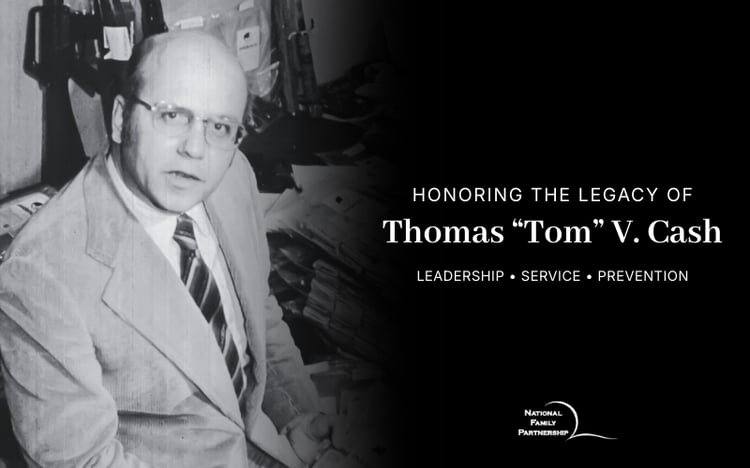
Honoring Thomas V Cash Horizontal

It is with deep sadness that we share the passing of Thomas “Tom” V. Cash, who died unexpectedly on Christmas Day.

Tom dedicated his life to public service and the safety of others. He served our nation for decades in law enforcement and drug control efforts, including distinguished leadership roles with the U.S. Drug Enforcement Administration and other federal agencies. Those who worked with Tom remember him as a steady leader with a sharp mind, a direct and honest approach, and a deep respect for mission-driven work.

Beyond his professional career, Tom gave generously of his time and guidance to prevention. He served on the National Family Partnership Board of Directors and previously served as Chairman of Informed Families. His counsel, clarity, and commitment helped strengthen the work we do every day on behalf of families, youth, and communities.

Tom is survived by his beloved wife, Hillary Avenali Cash, his children, grandchildren, and extended family. We extend our heartfelt condolences to all who loved him.

A Celebration of Life will be held at Capital Grille (2430 E Sunrise Blvd, Ft. Lauderdale, FL 33304).

Tom’s legacy will continue through the prevention work he championed, and through the many people he mentored, supported, and inspired along the way.

In honor of Tom’s lifelong commitment to protecting children and families, we invite those who wish to do so to consider making a contribution to support prevention education through National Family Partnership. 

DONATE


4 min read

Do Local Cannabis Laws Affect Teen Use?

By NFP on Jan 20, 2026, 1:47:46 PM

Across the country, laws around cannabis are changing quickly—but not all communities are experiencing those changes the same way. At the National Family Partnership, we’re closely watching how local cannabis policies—like dispensary zoning and delivery permissions—are affecting teenagers.

Emerging research reveals a clear trend: teens are far more likely to use cannabis when they live in areas that allow retail sales or cannabis delivery services. That includes more frequent and heavier use, not just experimentation.

That’s why we’re speaking directly to families, caregivers, and communities: the choices we make at the local level can have a direct impact on our kids.


Why Local Policies Matter for Teen Behavior

Even in states where cannabis is legal, local governments decide whether dispensaries can open, where they’re located, whether delivery is allowed, and how cannabis is advertised. And those choices shape what teens see—and how they think.

When cannabis is sold just down the street or delivered within minutes, teens begin to perceive it as normal or harmless. This is called reduced perceived risk—a key factor in youth substance use.

In fact, teens in areas with more visible cannabis access are:

  • More likely to believe “everyone is doing it.”
  • Less likely to understand the risks of high-potency THC products.
  • More likely to try it themselves—especially through edibles or vaping.

Read our President's most recent message: THE BIG LIE: Marijuana isn't as safe as many believe


The Real Risks of Today’s Cannabis for Teens

Cannabis today is very different from the marijuana of decades past. THC concentrations have skyrocketed, especially in vape cartridges and edible products, making the effects more intense and the potential for dependency greater.

Research shows that cannabis can:

  • Affect memory and learning, especially in still-developing brains.
  • Increase anxiety or depression symptoms in some adolescents.
  • Lead to addiction, particularly with early or frequent use.
  • Impair driving and reaction times, even hours after use.

As cannabis becomes more accessible in a community, so does early and frequent teen exposure to these risks.


How Your Family and Community Can Make a Difference

While legalization decisions often happen at the state level, local communities hold the power to protect youth. Here’s how we recommend taking action:

1. Start the Conversation at Home

Talking to your teen about cannabis can feel intimidating—but it’s one of the most powerful tools you have.

Use honest, open-ended questions. Ask what they’re seeing at school or on social media. Explain how cannabis impacts the teen brain. Most importantly, listen more than you talk.

➡️ What to Do If Your Child Smokes Marijuana

2. Stay Engaged in Local Policy Decisions

Zoning laws, retail permit approvals, and marketing regulations are often decided in city council or county board meetings. Your voice matters. Ask questions like:

  • Are dispensaries allowed near schools or parks?
  • Is cannabis delivery permitted in your area?
  • Are there restrictions on advertising near youth spaces?

3. Advocate for Protective Policies

Support local efforts that:

  • Limit the number and location of dispensaries.
  • Restrict advertising in public spaces or near schools.
  • Ban cannabis delivery to residential addresses without strong age verification.

4. Get Involved in Prevention Programs

Join a coalition or connect with your child’s school counselor to support prevention education. We offer campaigns like:

➡️ Safe Homes Smart Parties
➡️ Family Day: A Day to Eat Dinner with Your Children

Explore more in our Parent & Community Resource Hub.


Prevention Works Best When It’s Local and Personal

What makes local policy so powerful is its ability to reflect the values, goals, and needs of a specific community. When families, schools, and leaders work together to promote youth well-being, we build stronger neighborhoods—and protect our kids from the subtle pressures of normalization.

Let’s shape a future where smart policy and strong parenting go hand in hand.


Helpful Tools and Resources

Guide: What to Say to Teens About Marijuana
Parent & Community Resources – Informed Families

We know parenting comes with challenges—especially in today’s fast-changing world. But you don’t have to navigate it alone. At NFP, we’re here to support you, inform you, and stand beside you as you raise kids to make healthy, informed choices.

Together, we can create communities where teens thrive, choices are clear, and risks are reduced.

Thank you for everything you do.


Featured