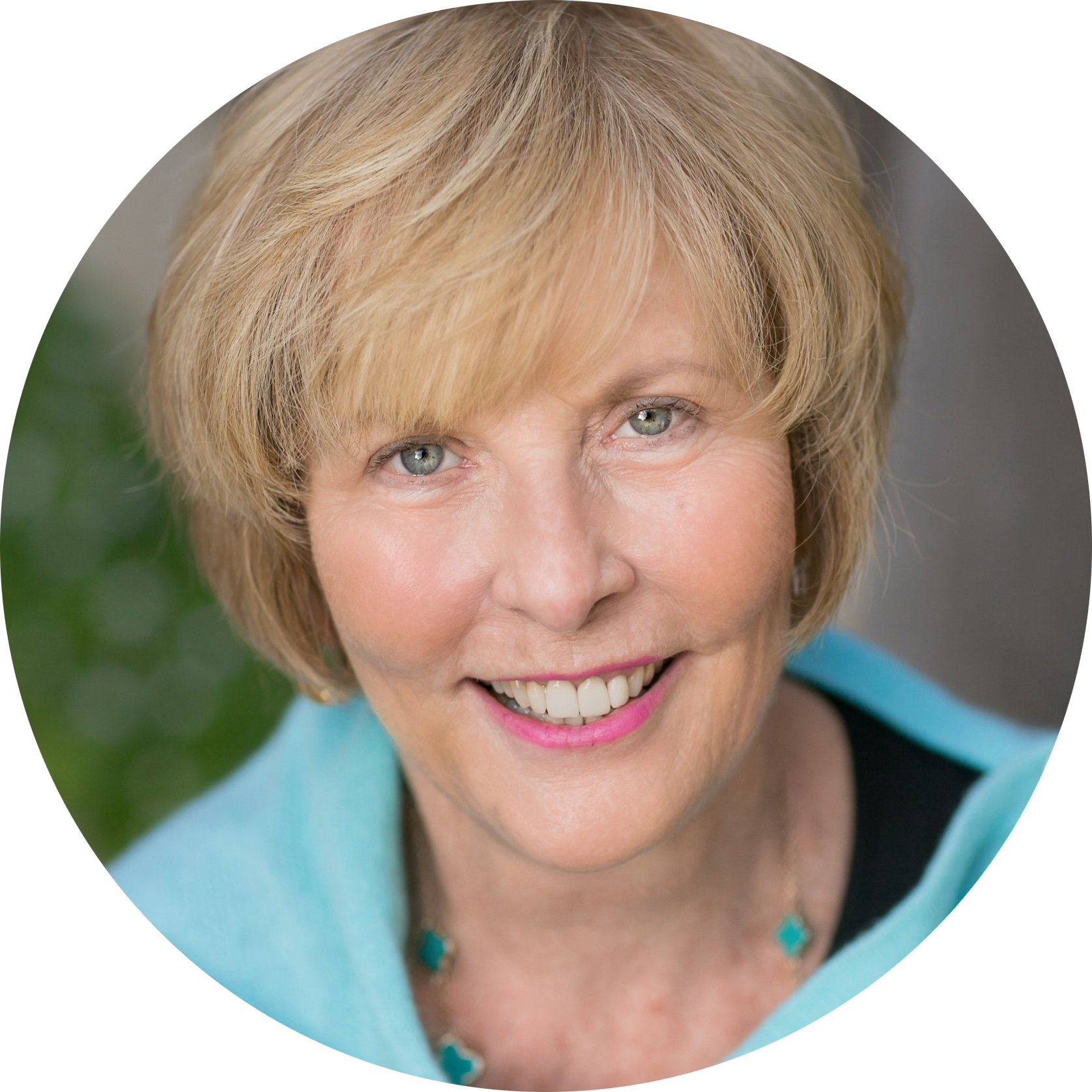

A February message from the President of National Family Partnership
.png?width=750&height=450&name=Love%20is%20teaching%20accountability%20+%20social%20norms%20banner%20(1).png)
February naturally brings conversations about love. But in my experience, love isn’t only affection or celebration.
Love is guidance.
Love is leadership.
And love is teaching accountability and social norms—especially when children are young.
It’s important to set boundaries for children and not treat them like a teammate or an equal in adult decision-making. Clear boundaries create a feeling of safety and security for young children, and they introduce a calmer environment for the whole family.
Why boundaries feel like love to a child
A story that has stayed with me for years involves a preschool playground. The adults noticed children repeatedly running up to a fence near the play equipment and “bouncing” off it. Some parents decided the fence must be the problem, so after a lot of debate, they removed it.
The result surprised everyone. The children were devastated—and some cried. They wanted that fence. They wanted the boundary. To them, it wasn’t a restriction; it was safety. It was the “bounce back” that helped them understand the limits of the space and feel secure inside it.
That’s what boundaries do when they’re healthy and consistent: they protect children and help them settle.
Kids need age-appropriate expectations
A 5-year-old doesn’t have the capacity to think like a 30-year-old. Raising children is about socializing them to be safe, secure, and age-appropriate. Our job as parents and caregivers is to help children learn how to function in an adult world, with guidance that matches their stage of development.
This is where social norms matter. Social norms are the everyday behaviors that help children succeed in school, in public spaces, and in relationships—things like listening, waiting their turn, following directions, and respecting boundaries.
These skills don’t “just happen.” They’re taught.
Public spaces reveal who’s leading
Have you ever noticed how different children’s behavior can look in different environments? In many American public settings, you’ll sometimes see children “running” the adults, creating unsafe surroundings for everyone—not just themselves. That’s not always the case. I’ve also seen outstanding parenting in busy airports where adults are clearly in charge and children are engaged, helpful, and safe.
The difference is leadership and awareness.
Adults must be aware of danger in their surroundings. A luggage cart is not a toy. Crowded venues are not the place to test limits. When adults maintain order and calm discipline, children learn to do the same.
Accountability now builds safer teens later
Accountability and responsibility are basic life skills. They are also protective factors for prevention. Children who learn boundaries early are more prepared to handle peer pressure, risky situations, and unhealthy influences as they grow.
That’s why this message matters for February—not only for “love,” but for healthy choices.
National Family Partnership exist to strengthen families and protect youth. We talk often about prevention, substance use, and supporting young people—but many of the most powerful prevention tools are the everyday ones: structure, consistency, and clear expectations.
And yes—this connects to our Lock Your Meds campaign, too. Loving boundaries include practical safety steps. Securing medications and keeping them out of reach isn’t about suspicion; it’s about responsibility. It’s one more way adults stay accountable for the environment our children are growing up in.
What “loving boundaries” can look like this week
If you want a simple place to start, try this:
- Set the expectation clearly (before you enter a store, venue, or event)
- Explain the “why” in one sentence (safety, respect, responsibility)
- Follow through consistently (calmly, without a long debate)
- Model the behavior you want (kids learn what they live)
You don’t have to be perfect. You just have to be the adult.
Closing thoughts
Love is teaching accountability. Love is teaching social norms. Love is creating a safe, calm structure that helps children feel secure—and helps them grow into responsible teens and adults.
If you’d like support, resources, or guidance for your family, I invite you to connect with us at NFP.org. And if you haven’t already, please take a moment to learn more about our Lock Your Meds Campaign—because safe homes and healthy choices start with the adults.